Explore Seoul by area
Twelve neighbourhoods inside the city, plus the best of Gyeonggi, Incheon, Gangwon and the DMZ — from the palace quarter to the ski slopes two hours away.
Must-visit areas
The five neighbourhoods every first-time visitor should build a trip around — palaces, shopping streets, nightlife and the skyline views that define Seoul.

DMZ and JSA: the two very different tours from Seoul
DMZ tours and JSA/Panmunjom tours from Seoul are not the same trip. Here's what each includes, what to book, and why JSA availability is never guaranteed.

Everland: Korea's biggest theme park, an hour south of Seoul
Everland is Korea's largest theme park, in Yongin about an hour from Seoul. Here's how to get there, what to prioritize, and whether it beats Lotte World.

Gangnam and Apgujeong
K-pop agency streets, Apgujeong's designer shopping, and Bongeunsa Temple — what's genuinely worth seeing south of the Han River.

Gyeongbokgung Palace and Jongno
Palace hours, hanbok rules, Bukchon crowds, and how to actually plan a day around Gyeongbokgung Palace without wasting half of it in line.

Hongdae and Yeonnam-dong
Hongik University's nightlife and indie art scene next to Yeonnam-dong's quieter cafes — where to go, when the crowds peak, and what to skip.

Itaewon and Haebangchon
Seoul's international district and its quieter hillside neighbor — nightlife, global food, and the Namsan Tower walk most visitors miss.

Myeongdong and Namdaemun Market
Skincare shopping, street food, and Namdaemun's wholesale market — what's worth it in Myeongdong, and where the tourist markup gets steep.

Nami Island and Gapyeong: the tree-lined day trip everyone recognizes
Nami Island's tree-lined paths made it famous. Here's how to combine it with Petite France and the Garden of Morning Calm without wasting your day.
More to explore
Areas for a second trip or a longer first one — hanok villages, riverside parks, theme parks and market districts a short subway ride from the centre.

Bukchon and Insadong in depth
A closer look at Bukchon's hanok alleys and Insadong's shopping streets — crowd timing, etiquette, and how they connect to Gwangjang Market.

Chuncheon: dakgalbi, lakeside scenery, and Nami Island's mainland gateway
Chuncheon pairs spicy dakgalbi with lakeside scenery and sits close to Nami Island. Here's how to visit without treating it as an afterthought.

Dongdaemun, day and night
Seoul's 24-hour wholesale fashion district and the Zaha Hadid-designed DDP next door — shopping hours, night markets, and what to skip.

Incheon: Chinatown and Songdo, two very different faces of the same city
Incheon's Chinatown and Songdo district couldn't look more different. Here's how to visit both without confusing Incheon the city with Incheon the airport.

Jamsil, Lotte World, and Lotte Tower
Lotte World theme park, Seoul Sky's observation deck, and Jamsil's Han River edge — ticket options, crowd timing, and whether it beats Everland.

Paju: Heyri Art Village and Imjingak, the border region beyond the DMZ tour
Paju combines Heyri Art Village's cafes and galleries with Imjingak's border history, an hour north of Seoul. Here's how the pieces fit together.

Seongsu-dong, Seoul's converted-factory district
Former shoe factories turned cafes and flagship stores in Seongdong-gu — what makes Seongsu-dong different from Hongdae or Yeonnam-dong, and when to go.

Sokcho and Seoraksan: honestly, more than a day trip
Sokcho and Seoraksan National Park are marketed as a day trip from Seoul, but 2-3 days does the mountain and coast far more justice. Here's why.

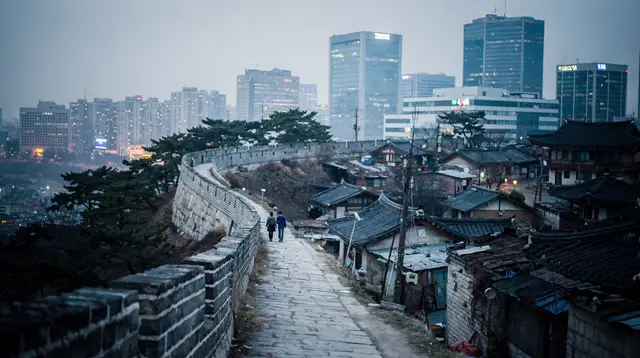
Suwon and Hwaseong Fortress: a UNESCO walk half an hour from Seoul
Hwaseong Fortress in Suwon is a UNESCO World Heritage wall you can walk in an afternoon. Here's how to get there and what to see beyond the ramparts.

Yeouido and the Han River
Cherry blossoms, river cruises, and picnic culture on Seoul's financial island — when to go and how the Han River parks actually work.
Off the beaten path

Ganghwa Island: dolmens, fortresses, and a quiet edge of Incheon
Ganghwa Island mixes UNESCO-listed dolmens with fortress ruins and a slower pace than most Seoul day trips. Here's what's actually worth the drive.

Gapyeong Rail Bike: pedaling a disused rail line along the river
Gapyeong's rail bike track runs along an old rail line with river views. Here's how it works, how long it takes, and whether it's worth the wait.

Korean Folk Village: a reconstructed Joseon-era town near Suwon
The Korean Folk Village near Suwon reconstructs Joseon-era life with craftspeople and performances. What's real, what's staged, and what to skip.

Mullae-dong and Sindang-dong, off the main circuit
A steel-workshop district turned art hub and a tteokbokki-town neighborhood — two off-beat Seoul stops for travelers past the first-timer checklist.

Noryangjin Fish Market
How to buy live seafood at Noryangjin, get it cooked upstairs, and avoid the pricing pitfalls first-timers hit at Seoul's biggest fish market.

Ski resorts near Seoul: a winter day trip without leaving Gyeonggi
Konjiam and Jisan put skiing and snowboarding within about an hour of Seoul. Here's what a day trip actually involves, gear included.
Good to know about Seoul destinations
Seoul is best understood as a set of distinct neighbourhoods rather than a single skyline, and this destinations hub organises the 12 that matter most, plus the day-trip regions beyond the city limits. In the historic core, Gyeongbokgung & Jongno group the largest of the five royal palaces with the hanok-roofed lanes of Bukchon and the antique shops of Insadong; Bukchon & Insadong itself deserves separate attention for its working hanok houses and traditional tea houses. Myeongdong & Namdaemun cover Seoul's dense skincare-and-shopping streets alongside one of the city's oldest traditional markets.
For nightlife and youth culture, Hongdae & Yeonnam-dong carry the indie music scene and a younger, artier café crowd, while Itaewon & Haebangchon are the international dining and nightlife district, and Gangnam & Apgujeong hold the upscale end of the city along with several K-pop agency neighbourhoods. Seongsu-dong, often called the "Brooklyn of Seoul," has turned former warehouses into design studios, roasteries and concept stores. Dongdaemun runs 24 hours through its wholesale fashion malls and the Dongdaemun Design Plaza, plus a lively night market.
Jamsil combines the Lotte World theme park, Lotte World Tower and a stretch of Han River park, and Yeouido offers another Han River park with cherry blossoms in spring and the National Assembly nearby. Noryangjin's wholesale fish market and the more off-beat, industrial mix of Mullae-dong, Sindang and Hannam-dong round out the list for travellers who want to see how the city actually works away from the postcard spots.
Beyond city limits, four regions extend the destination system: Gyeonggi province holds Nami Island (paired with Petite France and the Garden of Morning Calm near Gapyeong), the Everland theme park in Yongin, the UNESCO-listed Suwon Hwaseong Fortress, the Korean Folk Village, and Paju's Heyri Art Village near the DMZ; Incheon brings Chinatown and the newer Songdo district; Gangwon province covers Chuncheon, known for its chicken galbi, and the Sokcho & Seoraksan National Park area, best treated as a two-to-three-day trip rather than a rushed day out; and the DMZ region itself splits into the broader DMZ sites, such as observatories, infiltration tunnels and Imjingak, and the more tightly controlled JSA at Panmunjom, which requires booking several days ahead with a passport in hand.
Together these areas give a first-time visitor a realistic map of how much of Korea is reachable from a Seoul base, and this hub links out to a fuller destination-by-destination breakdown of each one.
Frequently asked questions about Seoul destinations
What are the best Seoul neighbourhoods to base yourself in for a first visit?
Myeongdong and Gyeongbokgung & Jongno both put you within walking distance of major palaces and transit; Hongdae suits travellers who want nightlife and a younger crowd, while Gangnam works well if upscale shopping and easy transit links matter most. There's no single right base — it depends on whether you prioritise heritage sights, nightlife or convenience.
Which day trip regions are covered from Seoul?
This hub covers Gyeonggi (Nami Island, Everland, Suwon Hwaseong Fortress, the Korean Folk Village, Paju), Incheon (Chinatown, Songdo, Ganghwa Island), Gangwon (Chuncheon, Sokcho and Seoraksan National Park) and the DMZ/JSA area near Paju. Each region has its own dedicated page with practical planning details.
Is Seongsu-dong worth visiting alongside the more traditional neighbourhoods?
Yes — Seongsu-dong is a useful contrast to Bukchon's hanok lanes or Gyeongbokgung's palace grounds. Former warehouses now house design studios, roasteries and concept stores, giving a look at contemporary Seoul rather than only its heritage side. It pairs naturally with a Han River walk nearby.
What's the difference between Bukchon & Insadong and Gyeongbokgung & Jongno as destinations?
They overlap geographically. Gyeongbokgung & Jongno centres on the palace itself and the surrounding administrative district, while Bukchon & Insadong focuses on the hanok village's residential lanes and Insadong's antique and tea-house streets just to the east. Most visitors combine both in a single day on foot.
How many neighbourhoods and day-trip destinations does this hub cover?
Twelve in-city neighbourhoods, from the palace quarter and Bukchon to Seongsu-dong, Jamsil and Noryangjin, plus twelve day-trip destinations across Gyeonggi, Incheon, Gangwon and the DMZ area. Together they're organised as one destination system so you can plan a trip around a Seoul base with realistic day-trip extensions.
Best day trips from Seoul on GetYourGuide
Verified deep-linked GetYourGuide tours. Book through these links and we earn a small commission at no cost to you.
GetYourGuide does not provide product photos: on its activity cards, the picture illustrates the type of experience and is not the operator's own photo.