Hongdae takes its name from Hongik University, a leading art and design school whose student population has shaped the surrounding blocks into Seoul’s densest concentration of live music venues, street performance, themed cafes, and late-night shopping. It’s loud, young, and a little chaotic by design. Yeonnam-dong, the residential grid just northwest across the old railway line, is what Hongdae looked like before it scaled up — smaller cafes, calmer streets, and a park built where train tracks used to run. Most visitors do both in a single day, moving from Yeonnam-dong’s daytime pace into Hongdae’s nighttime one.
| Where | Mapo-gu, around Hongik University Station |
| Cost | Budget-friendly food; themed cafes and clubs cost more |
| Time needed | Half day for Yeonnam-dong; a full evening for Hongdae |
| Getting there | Hongik University Station (Line 2, Airport Railroad, Gyeongui-Jungang) |
| Best time | Afternoon for Yeonnam-dong; Fri/Sat night for Hongdae |
Hongdae by day: shopping streets and street performance
Hongik University Station (Line 2, Airport Railroad, and Gyeongui-Jungang Line all converge here, exits 8 and 9 for the main strip) puts you directly into Hongdae’s central shopping streets. During the day, this is a fashion and accessories district aimed at a young, budget-to-mid-range shopper — independent boutiques, Korean streetwear brands, and a dense cluster of themed cafes (raccoon cafes, sheep cafes, board game cafes) that draw a steady stream of visitors regardless of the hour.
Hongdae Playground (Hongik Children’s Park), a small plaza near the university’s main entrance, is the informal center of the neighborhood’s busking scene. Weekend afternoons and evenings bring dance crews, singers, and increasingly K-pop cover dance groups performing for tips and social media clips — it’s free to watch, genuinely well-attended by both locals and visitors, and one of the more spontaneous, non-commercial things to do in the neighborhood.
The “art street” behind the main strip (technically Wausan-ro and the surrounding lanes) leans into small galleries, indie design shops, and street art on building facades — worth a slower wander if the main shopping street starts to feel repetitive.
Hongdae at night: where the neighborhood’s reputation comes from
After dark, especially Friday and Saturday, Hongdae shifts into its main identity: live music clubs, dance clubs, bars, and late-night street food. The area has hosted Seoul’s indie and underground music scene for over two decades, and several small venues still book original bands most nights of the week rather than just DJ sets — worth seeking out if live music matters to you, since it’s a genuinely different scene from the EDM-club circuit that dominates headlines about Seoul nightlife.
For a first-timer without a specific venue in mind, a guided combination of live music and a proper Korean barbecue dinner removes the trial and error of picking a spot cold:
Hongdae indie live music night and Korean BBQ dinnerThe honest caveat: Hongdae’s clubs are not uniformly great value. Cover charges at some venues are inconsistent or negotiated at the door, drink prices climb steeply after midnight, and a handful of clubs have a documented pattern of unadvertised cover fees sprung on foreign visitors specifically — a version of the same tourist-markup issue that shows up in restaurants elsewhere in the city. Sticking to venues with posted pricing, or going with a small group rather than solo late at night, avoids most of the friction.
K-pop dance classes: Hongdae’s other big draw
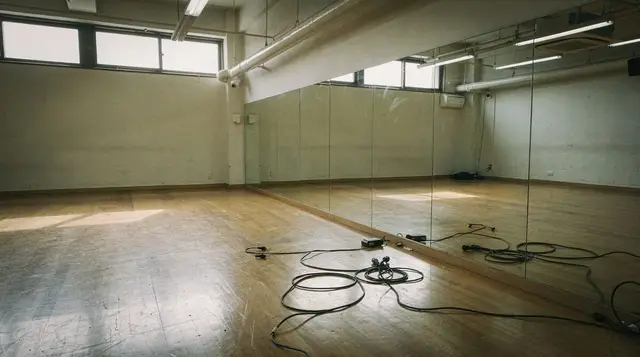
Hongdae has become the default neighborhood for K-pop dance class tourism, with multiple studios offering short sessions that teach choreography from specific songs, often with video filming included so you leave with a clip. Quality and instructor experience vary studio to studio — some are staffed by actual backup dancers or trainees, others are more casual. A dedicated class removes the guesswork of picking a studio cold:
K-pop dance class in HongdaeThese sessions run anywhere from one to two hours, typically in small groups, and don’t require any dance background — instructors build routines around beginners as a matter of course, since that’s most of their business.
The themed cafe scene: fun once, not a full afternoon
Hongdae has one of the highest concentrations of themed and novelty cafes in Seoul — animal cafes, anime and gaming-themed spaces, board game cafes with library-sized collections. They’re a legitimate, low-stakes way to spend an hour, but they’re also priced as an experience rather than a coffee shop (entry fees plus a required drink purchase is standard), and the animal cafes specifically draw periodic criticism over welfare standards at less reputable locations.
If animal cafes interest you, stick to well-reviewed, established spots rather than whichever storefront is closest. A guided walk through the area’s animation, gaming, and themed-cafe cluster is a reasonable way to see the highlights without guessing which ones are worth the entry fee:
Hongdae animation, gaming, and theme cafe walking tourYeonnam-dong: the quieter counterweight
Cross the Gyeongui Line Forest Park — a narrow, tree-lined public park built over a decommissioned rail line that runs roughly northwest from Hongik University Station — and the energy drops noticeably. Yeonnam-dong is a residential neighborhood of low-rise buildings converted into independent cafes, brunch restaurants, small bars, and design-forward boutiques, popular with younger Seoulites specifically because it isn’t as saturated with tourists as Hongdae proper (though that’s shifting as the neighborhood’s profile rises).
The park itself is worth a slow walk end to end — benches, seasonal plantings, and a steady stream of locals using it as an actual park rather than a photo backdrop, which is a nice contrast to some of Seoul’s more performative Instagram spots. Cafes along the park’s edge and the surrounding grid change over relatively quickly (rents have risen as the area’s popularity has grown), so chasing a specific “best cafe” recommendation is less reliable here than just walking until something looks good — that’s genuinely how most repeat visitors do it.
Yeonnam-dong is also home to a small but noticeable concentration of Taiwanese, Japanese, and Southeast Asian restaurants, reflecting Seoul’s broader increase in Pan-Asian dining over the past decade — a useful pressure valve if you want a break from Korean food without leaving the neighborhood.
Food beyond the cafes
Hongdae’s main strip has a dense concentration of budget-friendly Korean food aimed at students — tteokbokki (spicy rice cakes), gimbap, and Korean-style fried chicken chains are all easy to find and reliably cheap. For something more distinctive, several small restaurants around the university’s back streets specialize in late-night comfort food (jjigae stews, budae-jjigae/army stew) aimed at the post-drinking crowd, open well past midnight on weekends.
For Seoul’s wider street food and night market culture beyond this one neighborhood, the Seoul street food guide and Seoul night markets guide cover comparable scenes in Dongdaemun and Gwangjang Market.
University culture and why it shapes the neighborhood
Hongik University’s design and fine arts programs are among the most respected in Korea, and the school’s presence explains a lot about Hongdae’s character beyond nightlife — the neighborhood has functioned as an incubator for Korean streetwear, graphic design, and independent music for over two decades, well before “Hongdae” became shorthand for a nightlife district internationally.
Small design studios and independent labels still operate out of the same blocks that host the clubs, often invisible unless you’re specifically looking for them, tucked into upper floors above street-level bars and shops. This layered identity is part of why Hongdae rewards a second or third visit differently from a first — the surface-level nightlife is only one part of what the neighborhood actually is.
What isn’t worth the detour
Some of the more heavily marketed “Instagram cafes” around Hongdae’s edges charge a premium for a single photogenic corner and mediocre coffee — a pattern that’s easy to spot once you notice the queue is entirely for photos rather than food or drink. Similarly, a few of the club-district “photo zone” murals get more foot traffic than they merit; they’re fine for a passing shot, not worth planning around.
A realistic budget for a Hongdae-Yeonnam day
A full day covering Yeonnam-dong cafes, Hongdae shopping, a K-pop dance class, and a night out runs widely depending on how much nightlife you add — a cafe stop or two (5,000-8,000 KRW each), budget Korean food for lunch and dinner (8,000-15,000 KRW per meal), and a themed cafe entry fee (10,000-15,000 KRW including a drink) put a low-key day at roughly 50,000-70,000 KRW per person. A K-pop dance class adds a meaningful chunk on top, and a night of club cover charges and drinks can easily double the day’s total if you’re not watching pricing at the door. Compare against the Seoul budget guide for how this stacks up against other neighborhoods.
Seasonal notes
Hongdae’s outdoor busking and street performance scene is strongest in mild weather — spring and autumn evenings draw the biggest crowds to Hongdae Playground. Summer’s jangma rains (see the jangma rainy season guide) push more activity indoors into the cafes and themed spaces, which is one of the few upsides of a rainy Hongdae day: the neighborhood has an unusually high density of indoor entertainment options to fall back on. Winter doesn’t slow the nightlife scene much, though outdoor street performance thins out considerably in the cold.
Getting there and around
Hongik University Station is the anchor for both neighborhoods — Line 2 (green), the Airport Railroad (useful if you’re coming straight from Incheon), and the Gyeongui-Jungang Line all stop here. Yeonnam-dong is a 10-15 minute walk from the station’s north exits, or a short walk from Gaehwasan-direction exits depending which end of the park you’re aiming for. As elsewhere in Seoul, Naver Map or KakaoMap will route the exits correctly; see why Google Maps doesn’t work well here if you’re relying on a phone you haven’t switched over yet.
Hongdae is also a legitimate base neighborhood for backpackers and younger travelers given its density of hostels and budget guesthouses — see where to stay in Seoul for how it compares to Myeongdong or Itaewon as a home base, and Seoul neighborhoods explained for the -gu versus -dong distinction that trips up first-time visitors reading Korean addresses.
How this fits into a longer trip
Hongdae and Yeonnam-dong work well as a full day on their own, or as an evening add-on after a daytime spent at Gyeongbokgung and Jongno or Bukchon and Insadong — both are a straightforward Line 2 or transfer ride away.
If K-pop and Korean youth culture are a trip priority beyond this one neighborhood, the K-pop experiences guide rounds up dance classes, styling sessions, and agency-adjacent tours across the city, and K-drama filming locations covers a related fandom niche. For itinerary placement, both the 5-day itinerary and the 7-day itinerary typically place a Hongdae evening after a lighter afternoon elsewhere in the city, since the neighborhood rewards arriving with energy left for a late night.
Hongdae vs Yeonnam-dong at a glance
Since the two blend into each other geographically but feel like different neighborhoods, this side-by-side helps decide how to split your time:
| Hongdae | Yeonnam-dong | |
|---|---|---|
| Best for | Nightlife, shopping, K-pop dance classes, busking | Cafes, brunch, quieter walking |
| Peak time | Friday/Saturday night | Weekday afternoons |
| Price level | Budget food, pricier nightlife | Slightly pricier cafes than Hongdae’s main strip |
| Crowd | Young, dense, international mix | Local, calmer, rising in popularity |
| Anchor feature | Hongdae Playground busking | Gyeongui Line Forest Park |
A common, well-paced sequence: Yeonnam-dong cafes and the Forest Park walk in the afternoon, then cross back into Hongdae as the sun sets for dinner, a themed cafe or dance class, and nightlife if that’s part of your plan.
Hongdae’s live music scene beyond the clubs
Separate from the club and dance-class scene, Hongdae has hosted a genuine independent live music circuit for over two decades, with small venues booking original bands most nights rather than relying solely on DJ sets. This side of the neighborhood gets less coverage than the clubbing and K-pop angle but is worth seeking out if live music matters to you — look for venues advertising band lineups rather than just “club night” listings, and expect a cover charge in the 10,000-20,000 KRW range for a night of several acts, generally cheaper than a big club’s drink minimum. It’s also a good lower-key alternative for travelers who want Hongdae’s after-dark energy without a loud club environment.
Frequently asked questions about Hongdae and Yeonnam-dong
Is Hongdae safe to walk around late at night?
Yes, by international standards — Seoul is consistently ranked among the world’s safer major cities, and Hongdae’s density of people at night is itself a safety factor. The main risks are the ordinary ones of any nightlife district: overpriced drinks at a handful of clubs and the usual caution around excessive drinking, not personal safety in the crime sense.
What day of the week is best for Hongdae’s street performances?
Weekend afternoons and evenings, particularly Saturday, bring out the most consistent busking and dance crew activity around Hongdae Playground. Weekday daytime is noticeably quieter.
Do I need to book a K-pop dance class in advance?
Popular studios, especially those offering video filming, can fill up on weekends and during Korean public holidays. Booking a day or two ahead is a reasonable buffer; same-day availability exists but isn’t guaranteed.
Is Yeonnam-dong walkable from Hongdae, or do I need to take the subway?
It’s walkable — roughly 10-15 minutes from Hongik University Station’s exits, following the Gyeongui Line Forest Park northwest. No additional subway ride is needed.
Are the animal cafes in Hongdae ethical?
It varies by establishment. Reputable, well-reviewed cafes generally maintain reasonable welfare standards and posted animal-care policies; less established ones have drawn criticism. If it matters to you, research a specific cafe rather than choosing based on proximity alone.
Is Hongdae good for solo travelers?
Yes — the combination of hostels, casual dining, and a high volume of both locals and visitors makes it one of the easier neighborhoods in Seoul to explore alone, day or night.
What’s the cover charge situation at Hongdae clubs?
It varies and isn’t always transparently posted, which is the neighborhood’s most common minor complaint from visitors. Ask the door price before entering, and be wary of clubs that only quote a price after you’re already inside.
Can I do Hongdae and Yeonnam-dong in half a day?
You can hit the highlights of both in around four hours, but Hongdae’s nightlife identity only really shows up after dark — a half-day visit during daytime hours will feel more like Yeonnam-dong’s pace throughout.
Are the K-pop dance classes in Hongdae suitable for complete beginners with no dance background?
Yes — most studios build their standard sessions specifically for first-timers, since that’s the bulk of their customer base, with instructors breaking choreography into simple, repeatable steps rather than assuming prior training.
Is Yeonnam-dong more expensive than Hongdae for food and coffee?
Generally a bit, yes, particularly at the neighborhood’s more design-forward cafes, which price closer to Seongsu-dong than to Hongdae’s student-oriented budget food. Hongdae’s main strip still has the cheaper overall food options between the two.
Is Hongdae a good base neighborhood for a first Seoul trip?
Yes, particularly for budget-conscious and younger travelers — its density of hostels and guesthouses, direct Airport Railroad access, and central Line 2 location make it a genuinely practical base, though it trades some proximity to the historic palace district for nightlife convenience. See where to stay in Seoul for the full comparison against other neighborhoods.
Does Hongdae have anything for visitors traveling with children?
Not much by design — this is overwhelmingly a young-adult and student-oriented district, and most of its draws (nightlife, clubs, themed cafes with alcohol service) skew toward an adult audience. Families are generally better served by Jamsil or other kid-focused destinations.
Is there a cover charge to watch the street performers at Hongdae Playground?
No — busking and dance crew performances around Hongdae Playground are free to watch, though tips are appreciated and some groups sell merchandise or CDs after their sets.