Things to do in Seoul
From temple courtyards in Jongno to karaoke rooms in Hongdae, Seoul rewards travellers with experiences for every kind of trip.
Signature experiences
The six categories that define a first trip to Seoul — and what makes the city genuinely different from the rest of East Asia.

Palaces and heritage
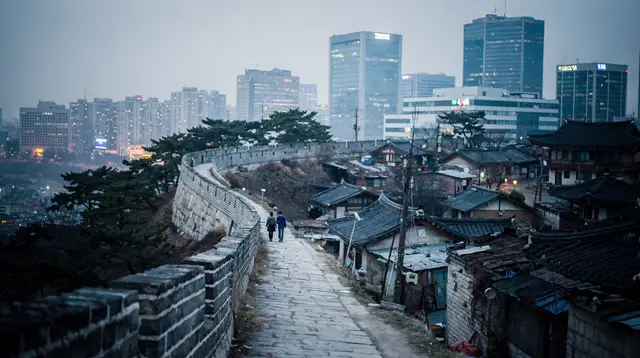
Gyeongbokgung, Changdeokgung and the hanbok-clad courtyards of Seoul's five centuries as a royal capital.
2 guides
K-culture
K-pop agency tours, K-drama filming spots, idol cafes and the entertainment industry behind Korea’s biggest export.
2 guides
Food and drink
Street food alleys, Michelin-starred hanjeongsik, barbecue joints and the makgeolli bars locals actually drink at.
2 guides
Shopping and markets
Myeongdong skincare shops, Dongdaemun's all-night wholesale malls and the traditional markets of Gwangjang and Namdaemun.
0 guides
Nature and hiking
Bukhansan's granite peaks, the Han River parks and city-edge trails reachable by subway.
1 guide Museums and art
The National Museum of Korea, contemporary galleries in Seongsu and the design-led museums of Bukchon.
0 guidesMore ways to experience Seoul
Specialist interests and practical planning — day trips beyond the city, seasonal timing, and the comparisons every first-time visitor searches for.
Nightlife
Itaewon's bar streets, Hongdae's late-night clubs and rooftop bars with skyline views over the Han River.
0 guides
Wellness
24-hour jjimjilbang, traditional Korean spas and the sauna culture that runs through daily life in Seoul.
2 guides
Family-friendly
Theme parks, aquariums, hands-on museums and activities that work for kids of every age.
1 guide
Day trips
The DMZ, Nami Island, Everland and the corners of Gyeonggi, Incheon and Gangwon within easy reach of Seoul.
2 guides
Planning
K-ETA, budgets, T-money cards and the practicalities of putting a Seoul trip together.
5 guides
Transport
The subway system, airport transfers and why Google Maps does not work the way you expect in Korea.
4 guides
When to go
Cherry blossoms, autumn foliage, the jangma rainy season and Seoul's month-by-month weather.
6 guides
Compare options
Everland vs Lotte World, Incheon vs Gimpo, and the other classic trip-planning dilemmas.
3 guidesBrowse by destination
Tours and activities organised by where you're headed — the best of each city and region.
Good to know about things to do in Seoul
Seoul's things-to-do hub is built around 14 categories rather than a single ranked list, because what counts as a good day in the city depends heavily on what you're actually after. Palaces & heritage covers the five royal palaces — Gyeongbokgung, Changdeokgung, Deoksugung, Changgyeonggung and Gyeonghuigung — plus temples such as Bulguksa, Jogyesa and Bongeunsa, and the Namsan Seoul Tower. K-culture is its own category: K-pop agency tours around Gangnam, K-drama filming locations, and idol cafés draw a specific kind of visitor who wants more than sightseeing.
Food & drink and shopping & markets sit close together in practice — Gwangjang Market's food stalls, Dongdaemun's overnight wholesale malls and Myeongdong's skincare streets all blur the line between eating and buying. Nature & hiking pulls visitors out of the dense city centre toward Bukhansan and the various Han River parks that run through Yeouido, Jamsil and beyond. Museums & art and nightlife cover more conventional ground, while wellness is distinctly Korean in character: jjimjilbang bathhouses and spas are worth understanding before you go, since the etiquette differs from a Western spa visit.
Family groups have their own category built around what actually works with kids — Lotte World and Everland feature heavily, alongside the gentler Han River parks. Day trips extend the categories geographically, covering everything from the DMZ to Nami Island, and the planning and transport categories exist because Seoul rewards preparation: knowing your K-ETA status, setting a realistic budget, and understanding the T-money card and how to top it up all change how smoothly the trip runs.
Seasonal content matters more in Seoul than in many cities — cherry blossom season, the autumn foliage window, the jangma rainy season and the August heatwave each reshape what's worth doing on a given week, and winter adds ski day trips to the mix. Finally, the comparison category answers the questions visitors actually ask before booking anything: Everland versus Lotte World, Incheon versus Gimpo airport, and similar head-to-head decisions where the "best" answer depends on what you're optimising for. Together these categories are meant to work as a filter, not a checklist — most visitors will use two or three of them heavily and barely touch the rest, and that's the intended experience.
Frequently asked questions about things to do in Seoul
What are the main categories of things to do in Seoul?
This hub groups activities into 14 categories: palaces & heritage, k-culture, food & drink, shopping & markets, nature & hiking, museums & art, nightlife, wellness, family, day trips, planning, transport, seasonal and comparison. Most visitors focus on a handful that match their interests rather than working through all of them.
What counts as k-culture activities in Seoul?
K-culture covers K-pop agency tours, concentrated around Gangnam, K-drama filming locations around the city, and idol cafés themed around specific groups or agencies. It's a distinct category from general nightlife or shopping because it draws visitors specifically interested in the Korean entertainment industry rather than sightseeing broadly.
What should I know about jjimjilbang bathhouses before visiting?
Jjimjilbang bathhouses fall under the wellness category and follow etiquette that differs from a typical spa — expect communal bathing areas and specific customs around cleanliness and dress. It's worth reading up on the etiquette before your first visit rather than learning the rules on the spot.
How does the seasonal category affect what I should do in Seoul?
Seoul changes significantly by season: cherry blossoms cluster in late spring, autumn foliage peaks later in the year, the jangma rainy season pushes activities indoors, and August brings a heatwave. Winter adds ski day trips near Seoul to the mix, so timing shapes which categories are worth prioritising.
What's the point of the comparison category on this hub?
It answers head-to-head questions visitors ask while planning, such as Everland versus Lotte World or Incheon versus Gimpo airport, where the right choice depends on individual priorities like ride variety, crowd tolerance or airport transfer time rather than a single universal answer.
Best day trips from Seoul on GetYourGuide
Verified deep-linked GetYourGuide tours. Book through these links and we earn a small commission at no cost to you.
GetYourGuide does not provide product photos: on its activity cards, the picture illustrates the type of experience and is not the operator's own photo.