K-drama filming locations in and around Seoul
Can I visit real K-drama filming locations in Seoul on my own?
Yes, many are ordinary public places — neighborhoods, cafés, palaces, and parks — that you can visit independently with no ticket required. Dedicated drama sets like historical village studios and some behind-the-scenes locations are better suited to a guided tour, since they're further out or require advance arrangement.
Korean dramas have turned huge swaths of Seoul into recognizable backdrops, and a meaningful share of visitors now build at least part of their itinerary around chasing specific filming locations. The good news: most of these spots are ordinary, freely accessible places you can visit on your own without a tour or a ticket. Here’s a practical breakdown of where to look, organized by the kind of location rather than a specific show, since filming locations get reused across dozens of productions and a single café or street corner might appear in far more shows than you’d expect from watching just one of them.
| Where | Palaces, Bukchon/Seochon, Seongsu-dong, Han River, Ihwa Mural Village |
| Cost | Free for most public locations; studio tours priced separately |
| Time needed | Half a day for a single neighborhood; a full day for a curated route |
| DIY vs tour | DIY for central Seoul; tour for out-of-city sets and studios |
| Best for | Fans wanting recognition moments, not a scripted experience |
Historical palace dramas: the palaces themselves
Seoul’s royal palaces show up constantly in historical (sageuk) dramas, since they’re the only genuinely period-accurate settings available at this scale in the city. Gyeongbokgung and Changdeokgung in particular appear repeatedly across historical productions, both for their architecture and their size, which allows for the kind of wide courtyard shots historical dramas favor. If a historical drama drew you to Seoul specifically, a palace visit doubles as both sightseeing and a filming-location pilgrimage — see Gyeongbokgung vs Changdeokgung vs Deoksugung for which one to prioritize.
Beyond the palaces themselves, dedicated historical drama filming sets — built specifically for productions rather than being real historical sites — exist outside the city and recreate entire Joseon-era villages and marketplaces. These are purpose-built for filming, so they look more “drama-authentic” in some ways than the real palaces, and they’re a popular stop specifically for fans of historical dramas.
Dae Jang Geum Park historic K-drama set tour from SeoulModern romance and slice-of-life dramas: real neighborhoods
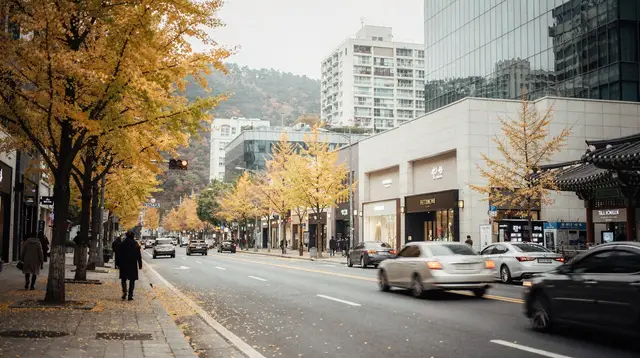
Contemporary K-dramas tend to shoot in real, functioning Seoul neighborhoods rather than sets, which means the “filming location” experience for modern dramas is really just visiting the neighborhoods themselves. Seongsu-dong, with its converted-warehouse cafés and industrial-chic streets, has become a favorite backdrop for dramas wanting a stylish, modern Seoul aesthetic — see Seongsu-dong.
Bukchon Hanok Village and the streets around Ikseon-dong show up often when a production wants a traditional-meets-modern contrast within a single scene. Han River parks, particularly around Banpo and Yeouido, are a recurring setting for pivotal outdoor scenes across an enormous number of productions, largely because the river backdrop with the city skyline is instantly recognizable and flattering on camera.
None of these require a ticket or a tour — they’re public neighborhoods and parks you can wander freely, and the “filming location” value comes from recognizing a street corner or café you’ve seen on screen rather than any special access.
Ihwa Mural Village and Seochon: two neighborhoods worth knowing
Ihwa Mural Village, a hillside neighborhood near Naksan Park built around colorful street art and murals painted over an older, quieter residential area, has appeared repeatedly in productions wanting a visually distinctive, slightly whimsical Seoul backdrop different from the palace or high-rise aesthetic. It’s worth knowing that this is, again, a real residential neighborhood — some murals have actually been removed over the years due to resident complaints about noise and disruption from crowds, so treat it with the same courtesy expected anywhere else, and keep in mind that not every mural you may have seen in older photos or older drama scenes is still there.
Seochon, the quieter, less-touristed hanok neighborhood just west of Gyeongbokgung (as opposed to the more famous Bukchon to the east), has become an increasingly popular filming backdrop precisely because it offers a similar traditional-meets-modern atmosphere with noticeably fewer crowds — a detail location scouts have caught onto faster than most tourists have. If Bukchon’s crowds are wearing thin during a filming-location walk, Seochon is worth adding to the route as a quieter alternative with a similar visual character.
University campuses and youth-drama settings
A number of Seoul’s universities double as filming locations for school and youth-focused dramas, given their combination of attractive modern architecture and genuinely photogenic campus grounds. These are generally open to visitors during daytime hours as working campuses, though it’s worth being mindful that they’re real universities with real students, not tourist attractions built for foot traffic. Weekdays during term time see the heaviest genuine student activity, so a weekend or holiday-period visit tends to feel less intrusive if simply seeing the architecture, rather than experiencing campus life, is the goal.
Studio tours: seeing how it’s actually made
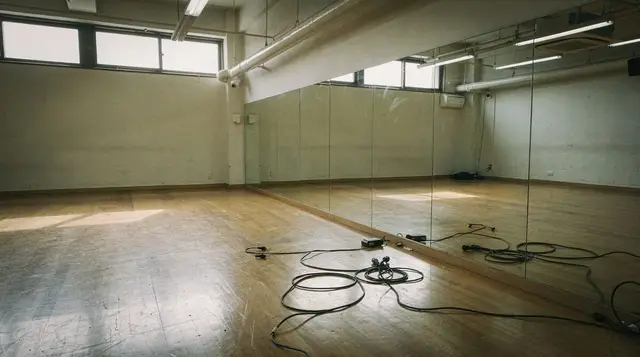
For fans who want to go beyond spotting a location and actually see behind-the-scenes production spaces, some broadcaster studio tours offer access to rehearsal spaces, sets, and sometimes even a chance to watch a live taping or rehearsal depending on the production schedule at the time of your visit.
MBC insider live K-drama rehearsal and VIP studio tourThese tours are the most reliable way to see genuine production infrastructure rather than just a location that happened to appear in one scene, and they’re worth prioritizing if the “how it’s made” side of K-drama fandom interests you more than photo-matching specific scenes.
K-pop and Hallyu crossover locations
Filming locations increasingly cross over between K-drama and K-pop content, particularly as more productions blend the two industries — music-video shoots, idol-related dramas, and crossover content involving both fields draw fans specifically for that overlap. Recent animated and live-action productions blending K-pop culture with Seoul’s real geography have also created a newer wave of location interest distinct from traditional drama tourism.
K-Pop Demon Hunters filming location tourIf K-pop culture broadly (not just drama filming spots) is part of your interest, see K-pop experiences in Seoul for dance classes, styling experiences, and other hands-on options beyond location visits.
Fan cafés and themed merchandise stops
Beyond physical filming locations, a number of cafés across Seoul run drama and K-pop-themed pop-up collaborations, decorated interiors, or dedicated merchandise corners tied to popular current productions — these rotate fairly quickly as new shows and collaborations launch, so a specific themed café you’ve seen recommended online may have already changed over by the time you visit. Treat any specific themed café as a bonus if it’s still running rather than the centerpiece of a location day, and check current listings closer to your trip since this is one of the fastest-changing categories of K-culture tourism in the city.
Planning a location-focused route for a single day
If you want to build a dedicated K-drama location day rather than scattering stops across a longer trip, a workable route groups locations by neighborhood rather than by show: a morning covering Bukchon, Seochon, and the Gyeongbokgung area (heavy on historical drama and traditional-neighborhood backdrops), an afternoon in Seongsu-dong or Ihwa Mural Village (modern, stylish backdrops), and an evening along the Han River (a recurring setting across an enormous range of productions, regardless of genre). This geographic approach covers a wide range of filming-location types in a single day without the backtracking that chasing specific shows across scattered neighborhoods would require.
Doing it yourself vs booking a tour
Doing it yourself works well for locations inside central Seoul — palaces, Seongsu-dong, Bukchon, Han River parks — since they’re on the regular subway network, free to access, and don’t require any special arrangement. The main effort is just identifying which specific spot within a neighborhood matches a scene you remember, which fan communities and location-tracking accounts online can help pin down more precisely than a general guide can.
A guided tour makes more sense for locations outside the city, purpose-built drama sets, or studio access that isn’t open to independent visitors — these tend to be harder to reach by public transit alone, bundle in transportation that would otherwise require a rental car or an expensive taxi, and in the case of studio tours, provide access you simply can’t get by showing up on your own.
| DIY | Guided tour | |
|---|---|---|
| Cost | Free (just transit fare) | Fixed tour price |
| Best for | Central Seoul locations | Out-of-city sets, studio access |
| Effort | You identify each spot yourself | Route and stops pre-planned |
| Flexibility | Full — linger as long as you like | Fixed schedule |
| Access level | Public spaces only | Can include restricted studio areas |
How location-scouting actually works, and why the same café shows up everywhere
Production teams tend to reuse a relatively small pool of visually distinctive, camera-friendly locations across many different shows, which is why a specific café interior or street corner can feel oddly familiar even if you’ve only watched one or two dramas — chances are it’s appeared in several others too.
Location scouts favor spots with good natural light, minimal signage clutter that would date a scene, and owners willing to accommodate a film crew’s schedule, which narrows the realistic pool of “filmable” cafés and streets in any given neighborhood more than it might seem from the sheer number of dramas produced each year. Knowing this changes how you plan a location day: rather than chasing one specific spot from one specific show, it’s often more productive to pick a neighborhood known for heavy filming use and simply wander, since the odds of passing several recognizable spots in one walk are genuinely decent.
How Hallyu tourism has grown around filming locations
K-drama and K-pop-driven tourism has become significant enough that it now shapes how some neighborhoods present themselves to visitors — informal signage marking filming spots has appeared at a number of popular locations in recent years, tourism boards have started producing location maps and guides of their own, and some businesses that happened to appear on screen have leaned into that exposure deliberately rather than treating it as incidental.
This is a relatively recent development, and it means the experience of “finding” a filming location has gotten meaningfully easier over the past several years compared to earlier eras of K-drama tourism, when fans relied almost entirely on forum posts and screenshot comparisons to identify exact spots.
Seasonal considerations for a filming-location day
Because productions film across all seasons, a location that looked one way on screen (autumn foliage, spring blossoms, winter snow) may look completely different depending on when you visit — this is worth knowing so a real-life visit doesn’t feel like a letdown if your trip’s season doesn’t match the on-screen version you remember.
If matching a specific season to a specific scene matters to you, cross-reference roughly when a show aired or was filmed against Seoul’s general seasonal calendar — see the Seoul cherry blossom guide and the Seoul autumn foliage guide for the general timing of Seoul’s most photogenic seasonal windows, in case the show you’re chasing leaned on one of them specifically.
Managing expectations
A location that looks sweeping and cinematic on screen is often, in reality, a modest street corner, a single café interior, or a small section of a much larger park — production framing and lighting do a lot of work that a casual visit won’t replicate. This isn’t a reason to skip the visit, but it’s worth knowing going in so a real-life stop doesn’t feel like a letdown compared to the on-screen version. Also worth knowing: many popular locations are still functioning businesses or public spaces used by locals every day, so treat cafés, shops, and residential streets with the same courtesy you would anywhere else, not as a photo backdrop that exists purely for visitors.
Where this fits in a longer Seoul trip
K-drama location visits pair naturally with other K-culture activities — see K-pop experiences in Seoul for dance classes and styling experiences, and Seongsu-dong and Bukchon and Insadong for the neighborhoods that show up most often on screen.
If historical dramas specifically drew you here, pair a filming-location day with Gyeongbokgung and Jongno and palace closure days and Culture Day so you don’t show up on a palace’s closed day. For a broader Seoul itinerary that leaves room for this kind of fandom-driven detour, see the Seoul 3-day itinerary or the 5-day version.
Frequently asked questions about K-drama filming locations
Do I need a tour to visit K-drama filming locations in Seoul?
No, most central locations — palaces, neighborhoods, Han River parks — are freely accessible public places. Tours are more useful for locations outside the city or for behind-the-scenes studio access you can’t get independently.
Which Seoul neighborhood appears in the most K-dramas?
There’s no single answer since it varies by genre, but Bukchon Hanok Village, Seongsu-dong, and Han River parks are among the most frequently reused settings across a wide range of productions.
Can I visit an actual working drama set while filming is happening?
Rarely, and not without prior arrangement — active film sets aren’t generally open to walk-up visitors, and productions guard filming schedules closely. Studio tours are the more realistic way to see production spaces.
Are historical drama filming villages the same as real historical sites?
No — many are purpose-built sets constructed to look period-accurate for filming, separate from Seoul’s actual royal palaces and heritage sites, though both are popular with historical drama fans.
Is it rude to take photos at filming locations that are also real businesses?
It can come across that way if you’re disruptive — treat working cafés, shops, and residential streets with the same courtesy you would anywhere else, and be mindful that these are functioning local spaces, not tourist attractions built for foot traffic.
How do I find the exact spot a scene was filmed?
Fan communities and location-tracking accounts online are generally more precise than general travel guides for pinning down exact scene locations, since they cross-reference screenshots against real addresses.
Do K-pop and K-drama filming locations overlap?
Increasingly, yes — as productions blend the two industries, some locations and tours now cover both K-pop and K-drama content together rather than treating them as separate categories.
Is a filming-location day trip worth it if I only know a few dramas?
It depends on how much the specific shows matter to you. If it’s more general Hallyu-culture curiosity than a deep attachment to particular scenes, pairing a shorter location visit with broader K-culture activities usually makes for a more satisfying day than a dedicated location-only tour.
Are Ihwa Mural Village’s murals still the same as what I’ve seen in older photos or dramas?
Not necessarily — some murals have been removed over the years due to resident complaints about crowd noise and disruption, so don’t assume every mural from an older photo or older drama scene is still in place when you visit.
Is Seochon worth visiting instead of Bukchon for a quieter experience?
Yes, if crowds are a concern — Seochon offers a similar traditional hanok atmosphere to Bukchon with meaningfully fewer visitors, and it’s increasingly used as a filming backdrop for exactly that reason.
Do themed cafés tied to specific dramas stay open long-term?
Not usually — these tend to rotate fairly quickly alongside whichever productions are currently popular, so check current listings close to your trip rather than relying on an older recommendation.
K-pop & K-drama experiences on GetYourGuide
Verified deep-linked GetYourGuide tours. Book through these links and we earn a small commission at no cost to you.
GetYourGuide does not provide product photos: on its activity cards, the picture illustrates the type of experience and is not the operator's own photo.