K-pop experiences in Seoul that go beyond a photo op
What's the best K-pop experience to book in Seoul?
A one-hour drop-in dance class in Hongdae is the most accessible and reliably good option, typically around 30,000 KRW, covering a real choreography routine plus a video you keep. Bigger-budget travelers add styling, video editing, or an agency-district walking tour; hardcore fans build a day around specific idol-linked filming or landmark locations. Skip generic 'K-pop experience' packages that don't specify what you're actually doing — the category attracts vague listings.
| Where | Hongdae (dance/styling), Gangnam/Yeoksam (agency walks), Seongsu-dong |
| Cost | Around 30,000 KRW for a drop-in dance class; more for styling/video |
| Time needed | 1 hour for a dance class; 2-3 hours for styling sessions |
| Booking | A few days ahead for BTS/Blackpink-specific packages |
| Best for | First-timers wanting a concrete, hands-on K-culture activity |
“K-pop experience” gets used as a catch-all label for everything from a genuinely well-run dance class to a vague half-hour photo session with no real content. The category is worth doing in Seoul — it’s one of the more distinctly of-the-moment things a trip here can include — but it rewards being specific about what you’re actually booking rather than clicking the first listing with “K-pop” in the title.
This category has grown enormously alongside K-pop’s global reach over the past several years, and Seoul’s tourism infrastructure has responded with a genuinely wide range of options — from single-hour drop-in classes to elaborate full-day fandom-specific itineraries. That range is good news for variety but makes it easy to end up booking something thinner than expected if you don’t read descriptions closely. Treat the sections below as a map of the actual sub-categories on offer, not a ranked list — which one is “best” depends entirely on whether you’re chasing the dance itself, the aesthetic, the fan pilgrimage, or general cultural context.
The dance class: the most reliable option
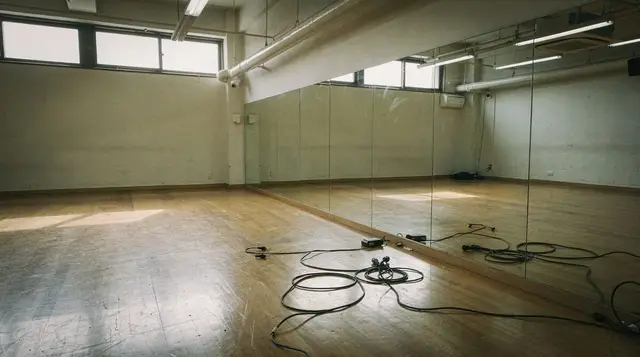
A one-hour drop-in K-pop dance class in Hongdae is the entry point most travelers end up trying, and for good reason — it’s accessible, doesn’t require any dance background, and delivers something concrete: a simplified but real routine from an actual K-pop song, taught step by step, followed by filming your own version to take home. Expect roughly 30,000 KRW for a standard group class, with the structure usually running a short stretch/warmup followed by the bulk of the hour on choreography and filming.
A straightforward K-pop dance class in Hongdae is the simplest version of this — good if you just want the experience without extra production. Some operators offer a step up that includes professional video shooting and editing rather than a phone recording, worth it if you want a genuinely shareable clip rather than a shaky handheld take. For fans who specifically want BTS or Blackpink choreography with styling included, this package adds costume styling on top of the dance and video — worth the higher price if that specific group’s routines are the draw, less so if you’d be equally happy learning any current chart hit.
Agency-district walks: context over access
Korea’s major entertainment agencies — HYBE, SM Entertainment, JYP, YG, and others — cluster around Gangnam and nearby districts like Yeoksam. You cannot tour the buildings themselves; these are functioning corporate offices, not visitor attractions, and treating an agency-district walk as a backstage pass sets up disappointment.
What these tours actually deliver is context: seeing the buildings from outside, visiting cafes and shops that trainees and staff frequent, and getting a guide’s explanation of how the industry’s geography and business actually work, which is more interesting than it sounds if you go in with the right expectations. A handful of Gangnam-focused walking tours frame the district specifically through this youth-culture and entertainment-industry lens rather than promising access that doesn’t exist — worth seeking out over a generic Gangnam shopping tour if this angle is what draws you there.
Some fans specifically hope to spot idols or trainees around agency buildings, and it’s worth setting expectations honestly here too: it does happen, particularly around trainee cafes and practice room entrances at certain times of day, but it’s not something any tour can promise or reliably deliver, and treating a walk as a stakeout rather than a cultural-context tour tends to lead to disappointment. Guides on these tours are generally upfront about this — the value is in the explanation and atmosphere, not the odds of a celebrity sighting.
Filming locations: efficient vs. DIY
K-drama and K-pop filming locations are scattered across Seoul and beyond — some are easy add-ons to a normal day (Seongsu-dong, Hongdae, several of the palaces used as historical drama backdrops), others sit further out and are genuinely hard to reach without a car or a full day dedicated to the trip. Chasing a single, very specific filming spot on your own is sometimes worth it if it means a lot to you personally, but for a broader sampling, a dedicated filming-locations tour groups the more accessible spots into one organized day rather than leaving you to piece together transit routes between scattered addresses.
This day trip covers a curated set of K-drama and K-movie filming locations, and our dedicated K-drama filming locations guide breaks down which spots are realistically doable independently versus which need a tour.
Styling and K-beauty sessions
For travelers who want the full aesthetic, not just the dance, K-beauty and styling experiences typically bundle hair and makeup done in an idol-inspired style with a photo or video shoot. These pair naturally with a dance class as a fuller “K-pop day,” or with a hanbok morning if you want to contrast traditional and contemporary Korean style in the same trip. A combined K-beauty and K-pop hair-and-makeup session covers this end of the spectrum if the photos matter as much to you as the dancing.
These sessions typically run longer than a dance class — often two to three hours once you factor in consultation, the actual hair and makeup work, wardrobe or accessory styling, and the photo or video shoot itself — so budget accordingly if you’re trying to fit one into a packed itinerary. Studios usually offer a choice of style references (a specific group’s aesthetic, a more generic “idol” look, or a softer K-beauty everyday style) during booking or at the start of the session, so it’s worth having a rough idea of the look you want going in, whether that’s a reference photo saved on your phone or simply a general direction to discuss with the stylist.
Seongsu-dong: the neighborhood angle
Seongsu-dong deserves a specific mention because it’s a real, current K-pop connection rather than a marketing stretch — the neighborhood’s industrial-warehouse-turned-design-district reputation has made it a hub for entertainment-adjacent flagship stores, cafes, and pop-ups tied to specific groups and idol-linked brands, layered on top of its established identity as one of Seoul’s trendiest design and fashion areas. A dedicated K-pop culture walking tour through the neighborhood is a good option if you want the context rather than just wandering and hoping to spot something relevant. See our Seongsu-dong destination guide for the broader neighborhood picture beyond the K-pop angle.
Hongdae vs. Gangnam: where each activity actually happens
It helps to know the rough geography before booking, since “K-pop experience” listings span two quite different parts of the city. Hongdae is the dance-class capital — the neighborhood’s dense concentration of dance studios grew up around its existing identity as a youth-culture, music, and nightlife hub, and most drop-in and styling-focused classes are based here or in the immediately adjacent Yeonnam-dong and Sangsu areas.
Gangnam and Yeoksam are where the agency-district context lives — this is where the office towers and trainee-adjacent cafes actually are, and where a walking tour focused on the industry’s business side makes the most geographic sense. Seongsu-dong sits somewhere in between conceptually: not agency offices, but a real concentration of entertainment-adjacent retail and pop-up culture. Planning a K-pop day around this geography — Hongdae for the dance class, Gangnam or Seongsu-dong for the walking and browsing — is more efficient than treating “K-pop stuff” as scattered randomly across the city.
Army/fan-specific tours
For fans of a specific group, some tours build the entire day around that fandom rather than a general K-culture sampler. A BTS-focused tour built for ARMY specifically hits landmarks and locations tied directly to the group rather than a generic K-pop overview — worth it if you’re specifically there for one group rather than the genre broadly.
What actually happens in a dance class, step by step
Knowing the structure ahead of time takes some of the nervousness out of a first-timer’s booking. Most classes start with attendance and a quick equipment check — comfortable clothes and indoor sneakers or socks are usually all you need, and a handful of studios provide rental shoes if you show up unprepared. A short warmup (5-10 minutes) loosens everyone up before the instructor breaks the choreography into short 8-count segments, demonstrating each piece slowly before the group repeats it together, gradually building up to the full sequence.
The last 10-15 minutes of a typical hour-long class are usually reserved for running the full routine a few times and filming — either on your own phone, handed to a classmate or staff member, or as part of a professionally shot package if you’ve booked one. Classes are almost always taught in a mix of Korean and English (or fully in English at the more visitor-oriented studios), and instructors are used to working with complete beginners who’ve never taken a dance class in their life, so don’t let inexperience hold you back from booking.
The HYBE Insight and other official experience spaces
Beyond independent dance studios and agency-district walking tours, Seoul has a small but growing number of officially branded, agency-run exhibition and experience spaces built specifically for fans — HYBE’s exhibition space is the best-known example, offering an official, curated look at group history, choreography, and behind-the-scenes material rather than the more informal, fan-led experience of a walking tour.
These spaces function more like a museum or gallery visit than an activity and are worth checking independently for current hours and ticketing, since they operate outside the tour-booking ecosystem that covers dance classes and filming-location tours. They pair well with a broader Gangnam or Yongsan-area day, depending on which agency’s space you’re visiting.
Budgeting for a K-pop day
A realistic K-pop-focused day, priced from cheapest to most elaborate, looks roughly like this: a standalone drop-in dance class sits at the low end, around 30,000 KRW; adding professional video and photo production pushes that up meaningfully; a full styling-and-video package built around a specific group’s choreography sits at the higher end of the dance-class category; and a K-beauty hair-and-makeup session with a dedicated photo shoot typically costs more again, reflecting the longer session time and professional styling involved.
Agency-district and filming-location walking tours are usually priced more like a standard half-day guided tour than a specialty activity. None of these are expensive relative to comparable experiences in other major cities — Seoul’s K-pop tourism infrastructure is competitively priced precisely because there’s enough local competition among studios and operators to keep rates reasonable.
| Activity | Rough price level | Time |
|---|---|---|
| Drop-in dance class | Lowest (~30,000 KRW) | 1 hour |
| Dance class + video/photo production | Mid | 1-1.5 hours |
| BTS/Blackpink styling + dance package | Higher | 1.5-2 hours |
| K-beauty hair, makeup + shoot | Higher still | 2-3 hours |
| Agency-district or filming-location tour | Half-day tour pricing | 3-4 hours |
Solo travelers vs groups
A drop-in dance class works well solo — classes are structured for mixed-ability groups of strangers, so showing up alone doesn’t stand out, and it’s often a good way to end up chatting with other travelers who booked the same slot. Styling and K-beauty sessions are more commonly booked by pairs or small groups since the wait time between each person’s hair-and-makeup turn is easier to pass with company, though solo bookings are still accepted at most studios. Agency-district and filming-location tours run as small groups by default, so solo travelers join without needing to book a private slot, while families with younger kids may find the dance class format more engaging than a walking tour focused on industry context.
What to skip
Be wary of listings that use “K-pop experience” as a vague catch-all without specifying whether you’re actually learning choreography, getting styled, visiting a specific location, or just standing somewhere for photos. If a listing doesn’t clearly describe what happens during the booked time, it’s often a thinner experience than the title implies. The dance class category in particular has enough well-reviewed, clearly described options that there’s little reason to gamble on a vague one.
Building a K-pop day around the rest of your trip
A dance class pairs naturally with a Hongdae afternoon — the neighborhood’s youth-culture energy, cafes, and street style match the tone of the activity. If you’re building a full “K-culture day,” combine a morning dance class with an afternoon in Seongsu-dong or Gangnam, and consider a hanbok morning at Gyeongbokgung earlier in your trip for the traditional-versus-contemporary contrast — see our hanbok rental and free palace entry guide for that side of things.
Timing matters too: dance studios and styling sessions in Hongdae get busiest on weekend afternoons and evenings, when the neighborhood’s own nightlife crowd overlaps with the day’s tour bookings — a weekday morning or early afternoon slot is easier to book on short notice and tends to mean a smaller class size, which some travelers prefer for more individual instructor attention. If K-culture is a central theme of your trip rather than a single afternoon activity, spreading a dance class, a styling session, and a filming-locations day across different days of a longer stay avoids the fatigue of trying to cram everything into one packed day, and gives each activity room to actually land rather than blurring together.
For the neighborhood context behind Hongdae and Gangnam specifically, see Hongdae & Yeonnam-dong and Gangnam & Apgujeong. If K-drama fandom is as much a draw as K-pop, our K-drama filming locations guide is the natural next stop, and for getting between these scattered neighborhoods efficiently, see the Seoul metro and T-money guide. Travelers building a longer itinerary around K-culture specifically will find a natural fit in our Seoul 5-day itinerary, which has room for both a dance class day and a filming-locations day trip.
Go in with specific expectations for each booking rather than a vague sense of “doing something K-pop,” and this category delivers some of the most memorable few hours of a Seoul trip — genuinely more so than most theme-park or observation-deck attractions competing for the same slot on your itinerary.
K-pop & K-drama experiences on GetYourGuide
Verified deep-linked GetYourGuide tours. Book through these links and we earn a small commission at no cost to you.
GetYourGuide does not provide product photos: on its activity cards, the picture illustrates the type of experience and is not the operator's own photo.