Jangma — Korea's rainy season, explained
What is jangma and when does it happen in Seoul?
Jangma (장마) is Korea's summer monsoon — a stretch of heavy, sustained rain that typically starts in late June and runs into late July, though the exact window shifts year to year. It's the wettest period of Seoul's calendar and worth planning around, not just packing an umbrella for.
| When | Late June to late July (shifts year to year) |
| What it means | Sustained monsoon rain, high humidity, occasional clear breaks |
| Wettest month | July |
| Plan around it | Yes — build in indoor/rain-tolerant backups |
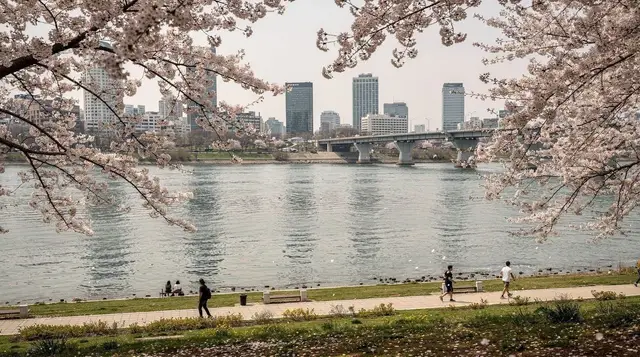
| Better weather windows | Spring (cherry blossom) or autumn (foliage) |
If you’ve never heard the word “jangma” before booking a summer trip to Korea, you’re not alone — most English-language travel content just calls it “rainy season” and leaves it at that, which undersells how much it can reshape a trip. Jangma isn’t the occasional afternoon shower you might expect from a generic rainy season label; it’s a sustained, multi-week stretch of Korea’s summer monsoon that can mean days of heavy, humid, on-and-off rain in a row. Here’s what it actually is, when it lands, and how to build a Plan B that doesn’t collapse the moment the sky opens up.
What jangma actually is
Jangma (장마) refers to Korea’s summer monsoon front, a seasonal weather system that settles over the Korean peninsula and brings a concentrated stretch of the year’s heaviest rainfall. It’s not unique to Korea — the same broader monsoon system affects Japan (where it’s called tsuyu) and parts of China around the same time — but the Korean term is specific and worth knowing, both because it’s how locals and Korean-language weather forecasts refer to the season, and because searching “jangma” rather than generic “Korea rainy season” gets you more accurate, more current information.
Jangma isn’t constant downpour for weeks straight — it’s better described as an unstable pattern of heavy rain, humid overcast stretches, and occasional clear breaks, all compressed into a period when the odds of any given day involving significant rain are meaningfully higher than the rest of the year. Some days during jangma are dry; others bring genuinely disruptive rainfall that can affect outdoor plans, hiking trails, and even transit.
It’s also worth knowing that jangma rain tends to arrive in bursts rather than a steady drizzle — a clear morning can turn into a genuine downpour within an hour, which is part of why locals treat a compact umbrella as a daily-carry item throughout the season rather than something reserved for days that already look wet at breakfast.
When jangma happens
Jangma typically starts in late June and runs into late July, making July Seoul’s single wettest month of the year by a wide margin. The exact start and end dates shift from year to year depending on the monsoon front’s behavior, so treat this as a general window rather than a fixed calendar block — if your trip falls anywhere from mid-June through early August, it’s worth building rain contingencies into your plan regardless of the specific dates.
Jangma also runs directly into Seoul’s hottest, most humid stretch of the year, which means the tail end of the rainy season often overlaps with the start of peak summer heat — see Seoul in August: heatwave survival guide for what comes right after jangma typically clears.
Does jangma ruin a Seoul trip?
Not necessarily, but it does mean building your itinerary differently than you would for a spring or autumn trip. The mistake is packing an all-outdoor itinerary — palace courtyards, hiking, riverside picnics — and hoping the rain cooperates. The fix is building in enough indoor and rain-tolerant options that a wet day doesn’t derail the whole trip, and treating outdoor plans as flexible rather than fixed to a specific day.
Honestly, if your travel dates are flexible at all, jangma is worth avoiding — the Seoul autumn foliage guide and the Seoul cherry blossom guide both cover meaningfully better weather windows. But plenty of travelers only have July available, and a jangma-season trip is absolutely workable with the right expectations and a solid indoor Plan B.
Real indoor alternatives, not just “visit a museum”
Jjimjilbang (Korean bathhouses) are one of the best rainy-day options in the city — hot baths, saunas, and communal relaxation areas that turn a washed-out afternoon into a genuinely restorative one instead of a wasted one. See jjimjilbang etiquette for first-timers if the concept (and the nudity in gender-separated bathing areas) is new to you — it’s a real point of anxiety for a lot of first-time visitors, and worth reading before you go rather than figuring it out at the door.
Premium Korean spa and jjimjilbang half-day tourMuseums across the city — the National Museum of Korea, the War Memorial of Korea, and smaller specialty museums in Insadong and around the palaces — are all fully indoor, air-conditioned, and genuinely worth a half day regardless of weather. Several sit inside or near palace grounds, so a rainy palace day can pivot straight into a museum visit without much extra travel.
Covered markets like Gwangjang Market have substantial covered sections where you can eat and browse without much rain exposure, making a food-focused day one of the more rain-resistant plans available. Dongdaemun’s shopping complexes are similarly indoor-heavy, with multiple malls connected closely enough that you can move between them with minimal outdoor exposure.
If you’d rather spend a wet afternoon doing something hands-on, a home-style Korean cooking class keeps you indoors, fed and busy, and it pairs naturally with the rainy-day comfort food covered further down this page.
Shopping malls and underground arcades — Seoul has an extensive network of underground shopping passages connected to major subway stations, particularly around Myeongdong, Gangnam, and COEX in particular, which is effectively an entire underground mall connected directly to Samseong Station and worth a full rainy afternoon on its own.
Cafés, which Seoul has in genuinely enormous supply and variety, are a legitimate way to wait out a heavy rain burst rather than pushing through it — Seoul’s café culture leans toward long stays being socially normal, not rushed turnover, so a rainy afternoon spent café-hopping isn’t wasted time.
What still works outdoors during jangma
Not every outdoor plan needs to be scrapped. Light, intermittent rain is common enough during jangma that a lot of sightseeing is still doable with a decent umbrella or rain jacket — palace visits, in particular, are fine in light rain and arguably more atmospheric with fewer crowds and rain on the old rooftops. What genuinely doesn’t work well is anything requiring sustained good visibility or dry ground: mountain hiking (trails can get slippery and, in serious storms, are sometimes closed for safety), rooftop bars and river cruises, and anything where the main draw is a view rather than the activity itself.
If you want context while you walk the grounds, a guided history walk through Gyeongbokgung can make a light-rain palace visit feel purposeful rather than rushed, since a guide helps you decide what is worth seeing before the next burst arrives. Check the palace closure days guide first so a wet-weather swap doesn’t land on a closed day.
Checking a same-day or next-day forecast each morning and staying flexible about which day gets the outdoor activities is more useful during jangma than trying to plan the whole trip’s schedule weeks in advance. A useful habit: build your itinerary with two or three interchangeable “outdoor day” candidates rather than a single fixed date for any weather-dependent activity, then confirm which day actually gets the best forecast once you’re on the ground rather than locking it in from home.
Why jangma matters to Korea beyond tourism
Jangma isn’t just an inconvenience for visitors — it’s agriculturally and economically significant for Korea, since the season’s rainfall is a meaningful contributor to the water supply that farming and reservoir levels depend on for the rest of the year.
This is part of why Korean weather coverage treats jangma with genuine seriousness rather than a footnote, and why forecasters track its arrival, intensity, and departure so closely each year — for the country, it’s not a travel annoyance, it’s a real climatological event with downstream effects far beyond a rained-out afternoon. Knowing this context doesn’t change how a visitor should plan around it, but it explains why jangma has its own name, its own dedicated forecasting language, and a level of cultural awareness that “rainy season” in a generic sense doesn’t capture.
How jangma actually unfolds over its weeks
The monsoon front doesn’t sit still — it moves gradually northward across the Korean peninsula as the season progresses, meaning the onset and intensity can vary somewhat by region and, within a single trip, from week to week even in the same city. Early jangma tends to bring more scattered, unpredictable rain; the middle stretch is typically where the heaviest, most sustained downpours cluster; and the tail end often brings a mix of clearing periods and residual instability before the front moves on and summer heat fully takes over.
This progression is useful to know because it means a week-one visitor and a week-three visitor to Seoul during the same jangma season can have genuinely different experiences of the rain, even though both fall within the technically defined jangma window.
Humidity: the part that surprises people more than the rain itself
A lot of visitors brace for rain and are caught off guard by the humidity instead — jangma season humidity in Seoul runs high even on the season’s drier days, and it’s a persistent, sticky discomfort that doesn’t fully let up between rain showers the way it might in a drier climate with intermittent storms.
This affects more than comfort: clothing takes longer to dry, anything left out (including hotel-room laundry) can develop a musty smell faster than expected, and electronics and camera gear benefit from extra care against condensation, particularly moving between air-conditioned indoor spaces and the humid outdoors repeatedly through a day. None of this is a reason to avoid a jangma-season trip, but it’s a genuinely underrated part of what makes the season feel heavier than “some rain” suggests.
Packing for jangma
A compact umbrella is nice, but Seoul’s humidity during jangma means a proper waterproof jacket often works better than fighting an umbrella in gusty rain — convenience stores sell cheap disposable umbrellas everywhere if you get caught without one, so it’s not worth over-packing for. Quick-dry clothing and shoes that can handle getting wet (rather than nice shoes you’re protecting) make the wet days meaningfully less miserable. Humidity during this period is high even between rain showers, so breathable fabric matters as much as waterproofing.
What locals actually eat during jangma
Rainy weather in Korea has its own informal food pairing: pajeon (savory scallion pancake) and makgeolli (unfiltered rice wine) are the classic jangma-season combination, popular enough that the sound of rain is a genuine, half-joking cue for Koreans to seek out this specific pairing at a restaurant or at home. It’s worth trying deliberately during a rainy Seoul day rather than defaulting to indoor sightseeing alone — a covered outdoor seating area or a traditional restaurant with the rain visible just outside is, if anything, part of the appeal rather than a compromise.
Seoul’s seasons, rain risk compared
| Season | Rain risk | Notes |
|---|---|---|
| Spring (Mar-May) | Low-moderate | Cherry blossom season, generally reliable |
| Jangma (late Jun-late Jul) | High, sustained | Korea’s wettest stretch, plan indoor backups |
| Late summer (Aug) | Moderate, humid | Heat plus occasional typhoon risk |
| Autumn (Sep-Nov) | Low | Widely considered the best weather window |
| Winter (Dec-Feb) | Low (snow possible) | Cold and dry rather than wet |
Jangma vs typhoon season
Jangma and typhoon season aren’t the same thing, though they can overlap toward the tail end of summer. Typhoons that affect the Korean peninsula are more likely later in summer and into early autumn, and tend to bring more concentrated, severe weather events (and occasional transit disruptions) rather than jangma’s sustained-but-generally-manageable rain pattern. If a typhoon is forecast during your trip, that’s a different level of disruption than a normal jangma day and worth checking official advisories for, rather than treating it the same as routine monsoon rain.
Where this fits in a longer Seoul trip
If jangma season is unavoidable for your dates, lean into the guides built for exactly this weather: jjimjilbang etiquette, the convenience store food guide for quick indoor-adjacent food options, and the Gwangjang Market food tour guide for a covered-market alternative to outdoor dining.
Seoul in August: heatwave survival guide covers what typically follows jangma if your trip runs long. For a broader look at how a wet week changes a standard itinerary, compare against the Seoul 3-day itinerary and swap in indoor days where the original plan assumes clear skies. If your dates have any flexibility left, the Seoul autumn foliage guide makes the case for the season most locals actually recommend instead.
Frequently asked questions about jangma and Seoul’s rainy season
Is jangma the same as a typhoon?
No. Jangma is a sustained monsoon rain pattern, while typhoons are more severe, more concentrated storm events that are more likely later in the season and can overlap with jangma’s tail end. Treat an actual typhoon forecast as a bigger disruption than routine jangma rain.
Does it rain every single day during jangma?
No — jangma brings a higher overall chance of rain and periods of heavy, sustained downpour, but there are dry and partly clear days mixed in throughout the season too.
Should I avoid visiting Seoul entirely during jangma?
Not necessarily, but if your dates are flexible, both spring and especially autumn offer more reliable weather. If July is your only option, plan a flexible itinerary with solid indoor backups rather than an all-outdoor schedule.
What’s the best single rainy-day activity in Seoul?
A jjimjilbang visit is hard to beat — it turns a washed-out day into a relaxing one rather than a frustrating one, and it’s a genuinely Korean cultural experience rather than just a way to kill time indoors.
Are palace visits still worth it if it’s raining?
Light rain doesn’t ruin a palace visit and can even make it more atmospheric with thinner crowds. Heavy, sustained rain is more of a problem, mostly because covered areas within the palace grounds are limited.
Is hiking safe during jangma?
Light rain is generally fine on well-maintained trails, but heavy rain can make paths slippery and, during serious storms, some trails and parks close for safety. Check conditions the day of rather than assuming a trail is open.
Does jangma affect flights or the KTX?
Routine jangma rain rarely causes serious disruption to flights or trains. Severe weather events, including any typhoon activity, are more likely to cause delays — check your airline or Korail directly if a serious storm is forecast during your travel dates.
What should I pack differently for a jangma-season trip?
A proper waterproof jacket over a flimsy travel umbrella, quick-dry clothing, and shoes you don’t mind getting wet. Cheap disposable umbrellas are sold at every convenience store if you get caught without one.
Is jangma the same every year?
No — the exact start date, duration, and intensity shift year to year depending on the monsoon front’s behavior, which is why forecasters track it closely each season rather than publishing a fixed annual calendar. Treat any general date range as a planning guide, not a guarantee.
What’s the traditional rainy-day food pairing in Korea?
Pajeon (savory scallion pancake) and makgeolli (unfiltered rice wine) — a genuinely popular, half-joking cultural pairing that’s worth trying deliberately on a rainy Seoul day rather than treating the rain as purely an obstacle.
Seasonal experiences on GetYourGuide
Verified deep-linked GetYourGuide tours. Book through these links and we earn a small commission at no cost to you.
GetYourGuide does not provide product photos: on its activity cards, the picture illustrates the type of experience and is not the operator's own photo.