Jjimjilbang etiquette for first-timers
Do I have to be naked at a Korean jjimjilbang?
In the gender-separated bathing area, yes — nudity is standard and expected, and swimsuits aren't worn there. Outside the bathing area, in the shared common areas (sleeping rooms, saunas, TV lounges), everyone wears a provided uniform, and those spaces are mixed-gender. The two zones work differently, and knowing which is which before you arrive removes most of the anxiety.
Jjimjilbang anxiety is real, and it’s the single most common reason first-time visitors put off trying one of the most distinctly Korean experiences available in Seoul. The nudity question in particular trips people up — not because it’s complicated, but because nobody explains it clearly before you’re standing in a locker room trying to figure out what’s expected. This guide covers exactly that, plus the broader etiquette that makes a first visit smooth instead of stressful.
| Where | Neighborhood jjimjilbangs citywide; tourist-friendly ones in Myeongdong |
| Cost | Entry around 10,000-15,000 KRW; scrub/massage extra |
| Time needed | 2-3 hours minimum; many stay half a day or overnight |
| Bring | Toiletries unless confirmed provided; contact lens case |
| Best for | Rainy days, heatwave afternoons, post-hike recovery |
What a jjimjilbang actually is
A jjimjilbang is a Korean public bathhouse and sauna complex, typically much larger and more varied than a Western spa — hot and cold pools, multiple heated sauna rooms (often themed, with different minerals, woods, or temperatures), a shared common area with heated floor spaces for lounging or sleeping, food counters, and sometimes entertainment like TVs or reading rooms. Many operate 24 hours, and a genuinely common local use case is spending the night there instead of a hotel — either as a deliberate choice or because trains and buses stopped running. For visitors, it’s best understood as part spa, part communal social space, part budget overnight option, not simply a fancier version of a hotel gym sauna.
The two-zone system: this is the key thing to understand
The bathing area is gender-separated and nude. This is where the actual bathing, soaking, and scrubbing happens — separate sections for men and women, no exceptions, no swimsuits. Everyone in that space is nude, staff included in terms of expectation, and it’s treated completely matter-of-factly by locals, most of whom have been going to these facilities since childhood. Nobody is looking at anyone else in a way that would feel invasive in a Western context — the cultural norm here is closer to “everyone’s doing the same thing, nobody’s paying attention” than anything sexualized or awkward.
The common area is mixed-gender and uniformed. Outside the bathing section — the heated floor lounges, sauna rooms, sleeping areas, food counters — everyone wears the same provided uniform (usually a simple t-shirt and shorts set), and this space is shared by all genders. This is where families spend time together, where you nap, eat, or watch TV, and it’s a completely different social context from the bathing area despite being part of the same facility.
Understanding that these are two separate zones with two separate sets of norms is the single most useful thing to know before your first visit — most of the anxiety around jjimjilbang comes from not realizing the nudity is contained to one specific area, not the whole experience.
Step by step: what actually happens
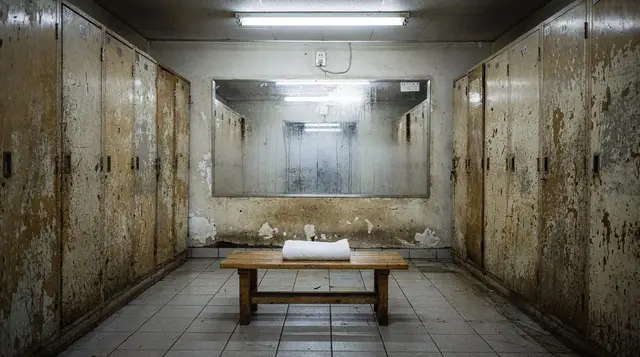
At check-in, you pay an entry fee and receive a locker key (often on a wristband) and your uniform for the common area. You then head to the gender-separated locker room, where you undress completely and store your clothes and belongings in your assigned locker. From the locker room, you enter the bathing area nude — this is where you shower first (mandatory before entering any shared pool, and taken seriously), then use the pools, saunas, and scrubbing stations as you like.
When you’re done in the bathing area, you dry off, put on the provided uniform back in the locker room, and head out to the mixed-gender common area, where the uniform stays on for the rest of your visit — sauna rooms in the common area, the heated floor lounges, food counters, everything.
What to bring, and what’s provided
Most jjimjilbangs provide the uniform, a small towel, and basic locker access as part of the entry fee. Larger or more premium facilities may include additional towels or a scrubbing cloth, but it’s safer to assume you should bring your own toiletries (shampoo, soap, a washcloth) unless you’ve confirmed the specific facility supplies them, since this varies more than visitors expect. Contact lens wearers should bring a case and solution if planning to remove lenses before entering the hot pools, which is generally advisable given the heat and steam.
Tattoos: a real consideration
Visible tattoos can be a genuine issue at some Korean bathhouses, historically associated with organized crime in Korean culture, though attitudes and policies have been loosening, particularly at facilities more accustomed to international visitors. Policies vary significantly by venue — some ban visible tattoos outright, some only restrict very large ones, and some don’t enforce it at all in practice. If you have visible tattoos, it’s worth checking a specific jjimjilbang’s policy before visiting, or choosing a facility known to be tattoo-friendly, rather than risking being turned away at the door.
Where jjimjilbang culture actually comes from
Public bathhouse culture in Korea predates the modern jjimjilbang format by decades, rooted in a simpler mokyoktang (public bathhouse) tradition that was, for a long stretch of the 20th century, a genuinely practical necessity in a period when private in-home bathing facilities weren’t universal.
The modern jjimjilbang, layering saunas, entertainment, and communal lounging on top of that older bathing tradition, emerged as a leisure and social institution in its own right — which is why the atmosphere feels less like a spa treatment and more like a genuinely normal, everyday part of Korean social life, spanning generations and social classes rather than being positioned as a luxury. Understanding this history helps explain why the nudity norm feels so unremarkable to Korean visitors: it’s the continuation of a long-standing, practical, communal bathing tradition, not a novelty.
The scrubbing service: what “Italy towel” actually means
A common jjimjilbang add-on, usually available for an extra fee from staff working the bathing area, is a full-body exfoliation scrub using a rough textured mitt often called an “Italy towel” in Korean (a name derived from the fabric’s country of manufacture origin rather than any connection to Italian bathing culture).
It’s a genuinely intense scrub — removing visibly more dead skin than most people expect — performed by a staff member while you lie on a plastic mat, and it’s a real cultural experience distinct from the self-directed bathing most visitors default to. It requires full nudity and a degree of physical closeness with the staff member performing it that some first-timers find surprising, so it’s worth deciding in advance whether it’s something you want to try rather than being caught off guard by the offer.
Food and drink inside a jjimjilbang
Most jjimjilbangs have a food counter in the common area serving simple, inexpensive dishes — sikhye (a sweet rice drink), boiled eggs (often eaten warm, straight from a small oven used specifically for cooking them inside the sauna room itself, a mildly famous jjimjilbang tradition), and basic noodle or rice dishes are typical. This is part of what makes an extended stay genuinely comfortable rather than just a bathing errand — you can eat, rest, and spend a half day or more without needing to leave for food.
Common mistakes first-timers make
Wearing the uniform into the bathing area, or vice versa. These are separate zones with separate dress codes — uniform in common areas, nothing in the bathing area. Mixing them up is an easy first-visit mistake.
Skipping the pre-soak shower. Showering thoroughly before entering any shared pool isn’t optional etiquette, it’s the norm everyone follows, and skipping it is one of the more noticeable faux pas a visitor can make.
Bringing a phone into the bathing area. Photography is not acceptable in the nude bathing sections for obvious privacy reasons, and even having a phone out there can make other bathers uncomfortable. Leave it in the locker.
Treating the common area sauna rooms as a quiet zone only. They’re genuinely social spaces where families and friends chat, nap, and hang out — normal conversational volume is fine, though the extreme-heat rooms tend to naturally quiet everyone down regardless of etiquette.
Assuming it’s the same as a spa day. Jjimjilbang is a communal, everyday Korean institution used by people of all ages, not a luxury retreat — the atmosphere is casual and functional rather than hushed and precious, and that’s part of the appeal, not a shortcoming.
Premium and tourist-friendly options
If the standard neighborhood jjimjilbang experience feels like too big a leap for a first visit, some facilities cater specifically to a more premium or tourist-oriented experience, with additional services layered on top of the standard bathhouse format.
Korean spa and massage experience in MyeongdongOthers focus on specific treatments, like red ginseng-based spa experiences, which add a distinctly Korean wellness ingredient on top of the standard bathing and sauna format.
Red ginseng spa experience and treatmentThese bundled options tend to be more expensive than a standard neighborhood jjimjilbang but reduce the guesswork for a first visit, since staff are generally more accustomed to explaining the process to international guests.
Cost and what it actually buys you
Entry fees are generally modest compared to a Western spa day, and given that many jjimjilbangs allow extended or even overnight stays for the same entry fee, the value proposition is genuinely strong — a single admission can cover an entire evening or a full day of bathing, sauna use, and lounging in the common areas. Extras like the scrubbing service, massage treatments, or premium sauna rooms at higher-end facilities are priced separately on top of the base entry fee, so a basic visit can be very cheap while a fuller premium experience costs meaningfully more depending on how many add-ons you choose.
Neighborhood jjimjilbang vs premium tourist-oriented options
A standard neighborhood jjimjilbang, the kind found in nearly every district of Seoul, is unpretentious, functional, and used primarily by locals rather than visitors — genuinely the most authentic version of the experience, though signage and staff English can be limited.
Premium or tourist-oriented facilities, often located in areas like Myeongdong with heavier foreign visitor traffic, tend to have better English signage, staff more accustomed to explaining the process to first-timers, and sometimes additional spa-style treatments layered on top of the standard format — at a correspondingly higher price. Neither is “more correct” than the other; the choice comes down to how much hand-holding you want for a first visit versus how much you want the unfiltered local experience.
| Neighborhood jjimjilbang | Premium / tourist-oriented | |
|---|---|---|
| English signage | Limited, often none | Generally good |
| Staff comfort with first-timers | Variable | Higher |
| Price | Lowest | Higher, extras cost more |
| Atmosphere | Unfiltered, local | Polished, visitor-friendly |
| Best for | Confident first-timers, budget travelers | Nervous first-timers, less time pressure |
How much a full add-on visit actually costs
Base entry alone is the cheapest way to experience a jjimjilbang, but most first-timers end up adding at least one extra, so it’s worth budgeting realistically rather than being surprised at checkout. A basic entry fee covers the locker, uniform, and unlimited use of the pools, saunas, and common areas for the day. The Italy towel scrub is the most common add-on and is priced separately per session, generally in the mid-tens-of-thousands-of-KRW range depending on the facility.
A full-body oil massage, where offered, costs more again and is usually booked at the counter after you’ve already changed rather than reserved in advance. Food from the common-area counter — sikhye, a boiled egg, a bowl of noodles — adds a modest amount on top and is genuinely worth budgeting for rather than skipping, since eating is part of the extended-stay experience most locals treat as the point of going.
Premium spa and jjimjilbang half-day experienceBest times to go
Jjimjilbangs are busiest in the evening after work and on weekends, when locals treat a visit as a genuine social outing rather than a quick errand — expect a livelier, more crowded common area during those windows, though the bathing area itself rarely feels genuinely packed given how these facilities are designed for volume. A weekday afternoon is the quietest and most relaxed time for a first visit if you want space to figure out the etiquette without feeling rushed or watched. Overnight stays cluster around the same evening check-in window as everyone else, so don’t expect to have the heated-floor common area to yourself even at 2am — it’s a genuinely social, always-slightly-occupied space by design, not an empty crash pad.
Is it worth it if I’m nervous about the nudity?
Most first-timers who push through the initial hesitation report that the anxiety was worse than the actual experience — the matter-of-fact, non-sexualized normalcy of it, combined with the fact that literally everyone else in the room is in the same situation, tends to dissolve the awkwardness within the first few minutes. If you’re still not ready for full nudity, some larger facilities have private or family bathing options at an additional cost, though the standard shared bathing area is the default and most common format.
Where this fits in a longer Seoul trip
Jjimjilbang works well as a rainy-day or heatwave-day alternative — see jangma rainy season and Seoul in August: heatwave survival guide for how it fits into weather-driven planning. It’s also a genuinely good way to recover from a long hiking day; pair it with the Bukhansan hiking guide if sore legs are part of your evening plan.
For a different, quieter kind of Korean wellness experience, temple stay near Seoul offers a contrasting option. If you’re near Myeongdong for shopping, Myeongdong and Namdaemun sits close to several jjimjilbang options, making it an easy add-on to an already-planned shopping day.
Fitting a jjimjilbang into the rest of your etiquette knowledge
Bathhouse manners are one piece of a wider set of unwritten rules. If this guide made you curious about the others, common Korean etiquette mistakes covers the everyday situations where visitors tend to slip, and 25 things to know before visiting Seoul gives a broader orientation before you land. The same attitude applies in both places: watch what locals do, follow the flow, and don’t worry about getting every detail perfect.
Planning around a visit
A jjimjilbang fits best at the end of a busy day, when your feet are tired and you’d rather soak than sightsee. If you’re building a schedule, the 3-day Seoul itinerary and the 5-day Seoul itinerary both leave evenings open enough to slot one in. Getting to a bathhouse is straightforward with the Seoul metro and T-money guide, and if you’re deciding which part of the city to base yourself in, where to stay in Seoul and Seoul neighborhoods explained help you work out which areas put a bathhouse within easy reach.
Budget-minded travelers will find that a jjimjilbang is one of the better-value experiences in the city; Seoul budget costs and is Seoul expensive? put that in context against everything else you’ll spend money on.
Who this experience suits
Solo travelers often ask whether a communal space feels comfortable on their own; solo female travel in Seoul addresses the wider question of moving through the city alone. Families can look at Seoul with kids to see how a bathhouse evening fits alongside child-friendly days. In both cases the two-zone system described above does the heavy lifting: the gender-separated bathing area and the relaxed shared lounge give most visitors a comfortable way in.
Frequently asked questions about jjimjilbang etiquette
Is nudity really mandatory in the bathing area?
Yes, in the gender-separated bathing section specifically — swimsuits aren’t worn there, and nudity is the universal norm. The mixed-gender common areas outside that section require the provided uniform instead.
Are jjimjilbangs safe for solo female travelers?
Yes, generally — the bathing areas are strictly gender-separated, and jjimjilbangs are a completely normal, everyday part of Korean life used by people of all ages and backgrounds, including many solo visitors.
Can children come to a jjimjilbang?
Yes, families are common visitors, though very young children typically stay with the parent of the same gender in the bathing area, and the mixed-gender common areas are genuinely family-friendly spaces.
What if I have visible tattoos?
Policies vary by facility — some restrict visible tattoos, others don’t enforce it, and attitudes have been loosening generally. Check a specific venue’s policy in advance if you have visible tattoos, especially larger ones.
Do I need to bring my own towel and toiletries?
It depends on the facility — many provide a small towel and the uniform as part of entry, but soap, shampoo, and a washcloth aren’t always guaranteed. Bring your own unless you’ve confirmed otherwise.
Is it rude to talk in the sauna rooms?
No — the common-area sauna rooms are social spaces where normal conversation is completely normal, though the highest-heat rooms tend to naturally quiet everyone down regardless.
Can I stay overnight at a jjimjilbang instead of a hotel?
Yes, many operate 24 hours and this is a genuinely common local practice, using the heated floor common areas as sleeping space. It’s a legitimate budget option, though don’t expect hotel-level privacy or quiet.
Is it okay to take photos inside?
Not in the bathing area, for obvious privacy reasons — leave your phone in the locker. Photos in the common areas are generally more acceptable but still worth being considerate of other guests in frame.
What is the “Italy towel” scrubbing service?
A staff-performed full-body exfoliation using a rough textured mitt, available for an extra fee at most jjimjilbangs. It’s intense and involves full nudity and physical closeness with the staff member performing it, so it’s worth deciding in advance whether you want to try it.
Should I choose a neighborhood jjimjilbang or a tourist-oriented one for my first visit?
A premium, tourist-oriented facility offers more English signage and staff comfortable explaining the process, which can ease first-visit anxiety. A standard neighborhood jjimjilbang is cheaper and more authentic but requires more independent navigation.
Are jjimjilbang entry fees expensive?
Generally no — entry is modest by spa standards, and since many facilities allow extended or overnight stays on the same admission, the value is genuinely strong compared to a typical Western spa visit.
Jjimjilbang & wellness experiences
Verified deep-linked GetYourGuide tours. Book through these links and we earn a small commission at no cost to you.
GetYourGuide does not provide product photos: on its activity cards, the picture illustrates the type of experience and is not the operator's own photo.